

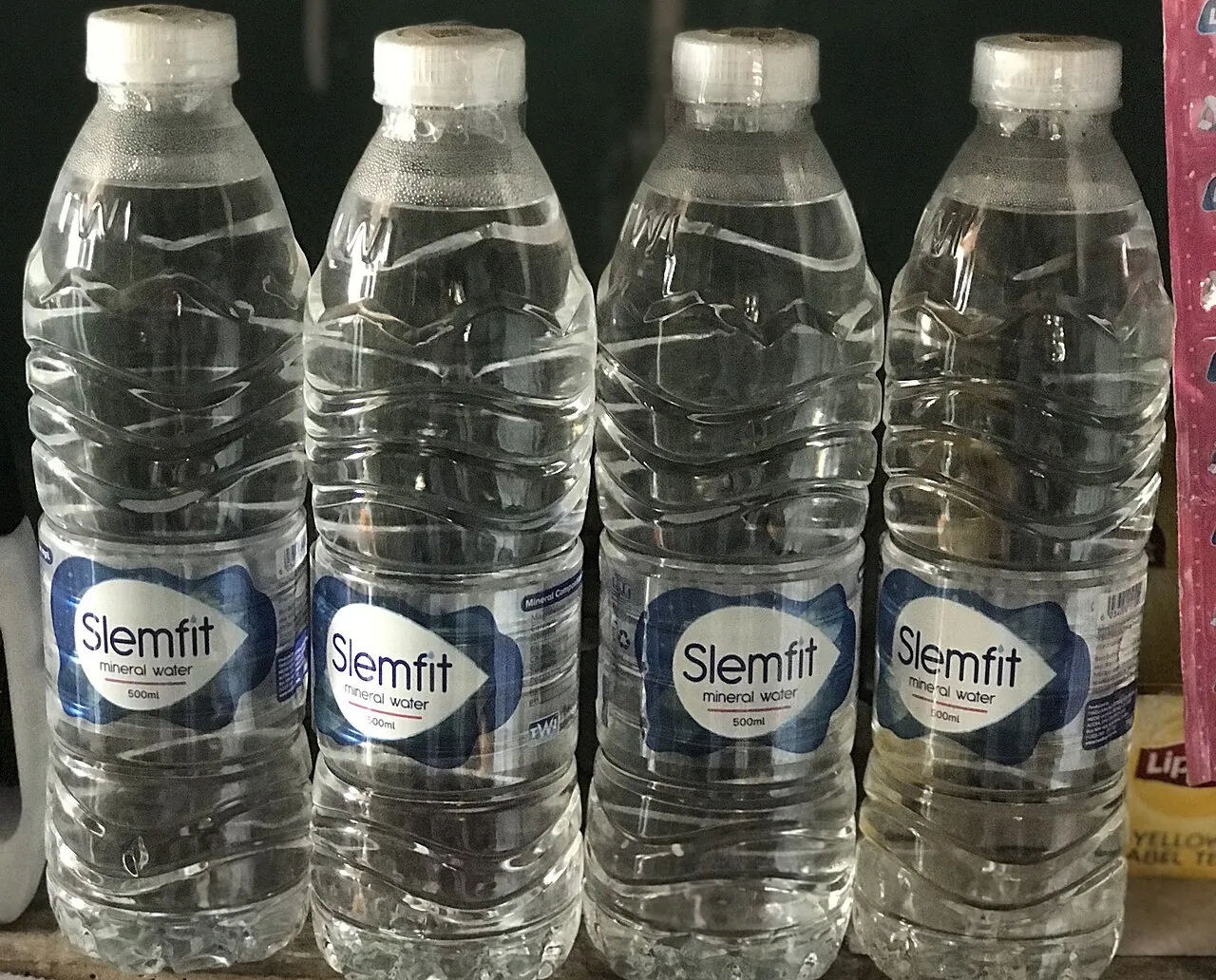
If headlines changed habits, bottled water would be in decline. Stories about microplastics in food, water and even human tissue are everywhere, and surveys show the public has absorbed the message. Yet a major study of 15,000 people across 81 countries, published in the Journal of Cleaner Production, finds bottled-water consumption persisting almost everywhere it looked, largely unbothered by what people know.
For health-conscious readers, the finding is worth sitting with. The study does not say people are careless. It says behaviour is governed by convenience, by marketing that sells bottled water as the pure option, and by legitimate anxiety about whether local tap water can be trusted. Knowledge, it turns out, is a weak lever when the alternative is thirst, doubt or a long walk to a refill point.
What the Survey Actually Found
Across very different countries and income levels, the same pattern repeated. People who expressed the strongest concern about plastic pollution still bought bottled water at rates close to everyone else’s. Where tap water was trusted and refill access was easy, consumption dipped. Where supplies were unreliable or information about water quality was scarce, bottled water held firm regardless of environmental attitudes.
The researchers describe a market doing exactly what it was designed to do. Bottled water is available at every station, gym, office and street corner, chilled and portioned for one. Tap water, by contrast, asks you to plan: carry a bottle, find a tap, trust the source. Habits follow the path of least resistance, and at the moment that path is lined with plastic. Our technology coverage in Phone-Free Classrooms Boost Grades in Major Student Study recently looked at a similar pattern, where the easiest option quietly wins.
The Health Picture, Calmly Stated
Microplastics have been detected in bottled water itself, which is the irony at the centre of this story: the product bought partly for purity can carry the very particles people worry about. The World Health Organization has assessed microplastics in drinking water and called for more research while noting that well-treated supplies keep many risks low. The honest summary is that the science is still developing, and certainty in either direction would be premature.
What is not uncertain is the waste stream. The UN Environment Programme estimates that a million plastic bottles are bought every minute worldwide, and most are not recycled into new bottles. Whatever the final verdict on microplastic health effects, the environmental cost of the habit is already counted and considerable.
Small Shifts That the Evidence Supports
The study’s practical message is structural. Publish local water quality data in plain language. Put refill stations where people actually pass. Make reusable bottles the default in workplaces, schools and gyms. Behaviour research consistently shows these environmental cues outperform awareness campaigns, because they change the easy option rather than lecturing people about the hard one.
Fitness culture deserves a footnote in this story, because gyms and studios are among the most bottle-dense environments in modern life. Hydration is rightly promoted as a health behaviour, but somewhere along the way the disposable bottle became part of the kit, sold at reception and abandoned by the dozen in studio bins. The survey’s logic applies with special force here: nobody at a 7 a.m. class is making an environmental decision, they are making a thirst decision inside a retail environment. Venues that install good filtration and lend forgotten-bottle spares report the plastic tide receding without a single lecture. Health, it turns out, was never the obstacle to ditching the bottle. The obstacle was a missing tap in the room where health happens.
Until those systems arrive, individual choices still add up: a home filter where taste is the barrier, a refillable bottle kept in the bag, bottled water reserved for journeys and emergencies. The survey’s real lesson is not that people have failed the planet. It is that the planet-friendly choice has to be made as easy as the plastic one before we can expect it to win.
