

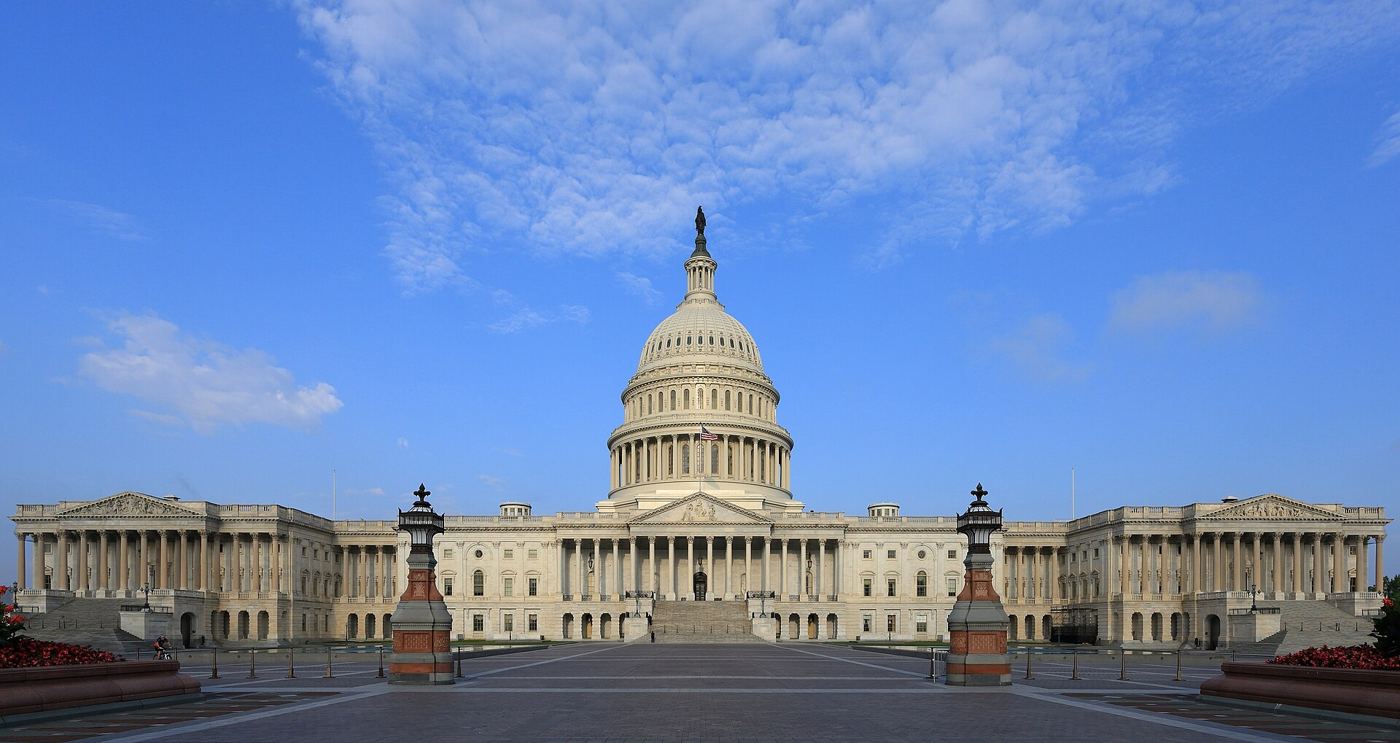
Senate appropriators released five fiscal year 2027 spending bills on 12 November, proposing 8.83 billion dollars for the National Science Foundation, a small rise on the previous year and well above the 7 billion dollars proposed by the House. The Senate plan would hold science, technology, engineering and mathematics education at 938 million dollars, while the House plan would eliminate that account outright. For NASA, the Senate proposes 24.87 billion dollars overall, including 7.43 billion dollars for the Science Mission Directorate, 165 million dollars for Landsat Next and 300 million dollars for the Habitable Worlds Observatory. The House, by contrast, would cut NASA’s science directorate by 17 percent. The bills set out sharply different visions of how much the United States should invest in discovery.
What the Evidence Shows
The funding fight matters far beyond Washington, because federal grants pay for university laboratories, telescopes, field stations and the early careers of thousands of researchers. A coalition of scientific associations sued the National Science Foundation in federal court on 9 November to block the closure of its Social, Behavioral and Economic Sciences directorate, arguing the move would damage research on society, behaviour and the economy. Funding lapses on 12 December unless Congress acts, so the competing bills must still be reconciled. Whatever the final numbers, the outcome will shape which projects go ahead, which instruments get built and how many young scientists find a place in research in the years ahead. University leaders warn that a lower budget would mean fewer grants, delayed instruments and talented graduates leaving research altogether, while a generous settlement would let long-planned projects finally move from proposal to construction. Reporting and analysis from sources such as National Science Foundation track the same developments, and specialists following the proposed 2027 science budget say the direction is now consistent across independent lines of evidence.
The Wider Context
The wider context is a research landscape in which replication and open data now decide reputations. Findings connected to the proposed 2027 science budget are being checked by independent groups with shared datasets, and the teams involved publish their methods in full so rivals can test every step. That discipline is slower than a headline cycle, but it is why results in this area increasingly survive first contact with scrutiny.
What Happens Next
What happens next in the story of the proposed 2027 science budget will be decided by follow-up work already under way: larger samples, longer observation and instruments that have not yet come online. The researchers involved are unusually united on one point, that the current results justify the next investment of time and money. Readers will not have to wait long for the first tests of that claim. You can follow related developments in our coverage of science.
There is a practical lesson in all of this for readers deciding what to do today. Start with the verified facts, be wary of anyone promising certainty, and prefer reversible steps while the evidence is still developing. Circumstances differ by country, income and personal situation, so general guidance should always be weighed against your own context before you act on it in any significant or lasting way.
