

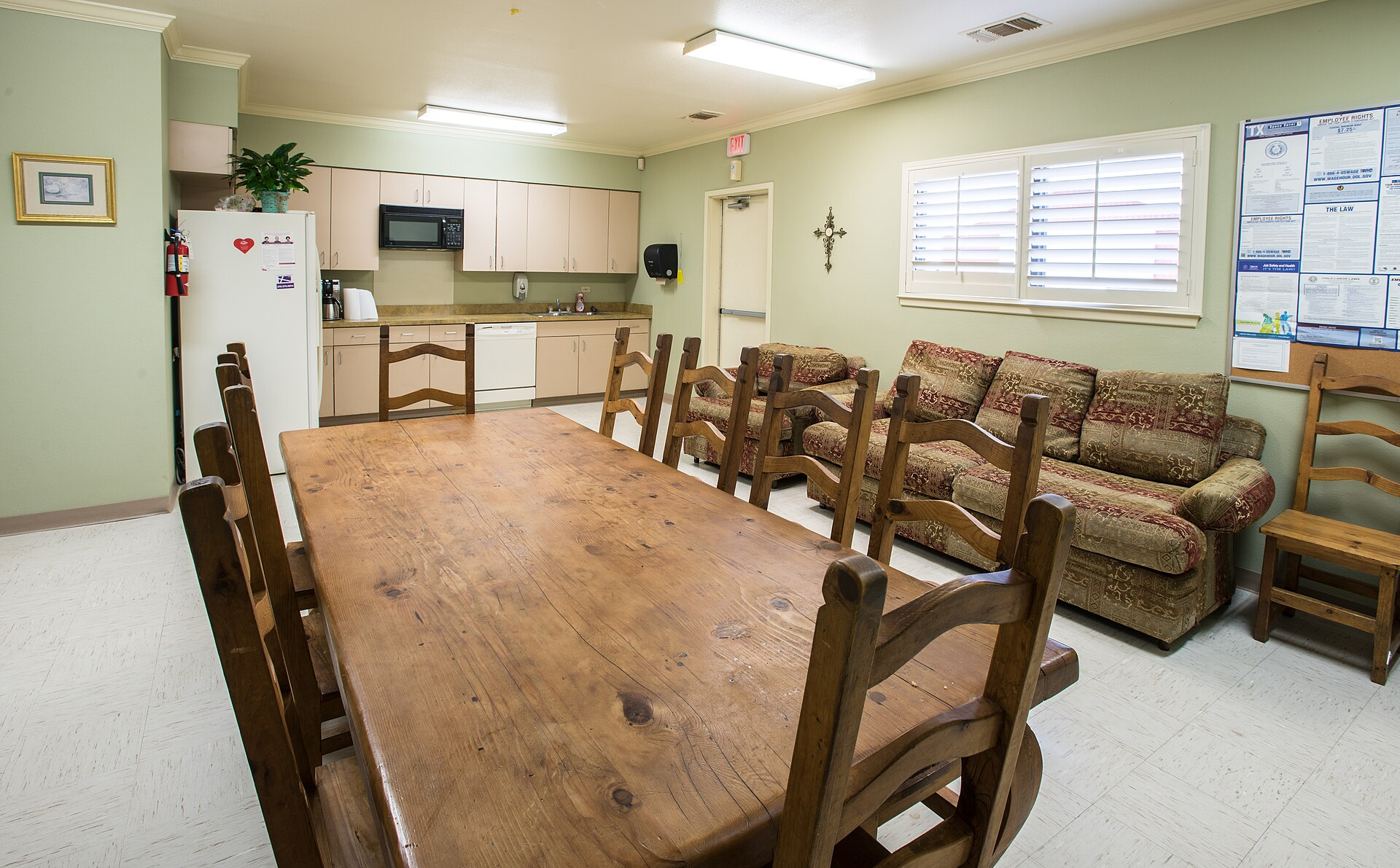
To anyone sitting in a busy clinic waiting room, it can feel puzzling when someone who arrived later is called through first. The reason is usually triage, the system staff use to sort patients by clinical need rather than arrival time alone. A person with chest pain, severe breathlessness, or a very unwell baby will rightly be prioritised over a routine review, even if they arrived minutes ago. Reception and nursing teams gather brief details at booking or arrival to make those decisions safely. Clinic managers say explaining triage openly reduces frustration, because most patients understand fairness differently once they know urgent cases are being spotted and moved forward quickly. Managers add that triage decisions are reviewed regularly by senior clinicians, ensuring the system stays safe, consistent, and fair even during the busiest winter sessions.
What the Evidence Shows
Triage does not mean other patients have been forgotten. Staff continually reassess the waiting room, and patients are encouraged to tell reception if their symptoms worsen while they wait, since that information can change their priority. Clinics increasingly display simple notices explaining the system, along with typical waits for routine appointments. Managers note that seeing the most suitable professional also speeds things up; a nurse, pharmacist, or paramedic may be the best person for a particular problem. When patients book, giving a short, honest summary of the issue helps the team direct them correctly the first time, reducing delays for the whole waiting room on busy days. Clinics ask for patience and honesty in return, noting that accurate information at booking protects everyone, including the patient whose condition might otherwise be underestimated at first. Reporting and analysis from sources such as National Institutes of Health track the same developments, and specialists following how clinic triage prioritises patients say the direction is now consistent across independent lines of evidence.
The Wider Context
The wider context is a health system trying to move from treating illness late to preventing it early, against budgets that reward the opposite. Evidence around how clinic triage prioritises patients is being weighed by guideline committees that ask two questions in order: does it work, and can ordinary services actually deliver it at scale. Many good ideas pass the first test and stall on the second.
What Happens Next
What happens next for how clinic triage prioritises patients depends on the slow machinery of guidelines, funding and training catching up with the evidence. Patients asking about it today should expect honest answers that include uncertainty, and clinicians say a service that explains what is not yet known earns more trust than one that oversells. The research pipeline, at least, is moving in the right direction. You can follow related developments in our coverage of health.
None of this will be settled by a single announcement, study or product launch. The pattern to watch is accumulation: independent confirmations, honest reporting of failures and steady improvement in the underlying numbers. Readers who follow those signals, rather than the loudest claim of the week, will understand this subject better than most of the commentary surrounding it suggests is possible.
