

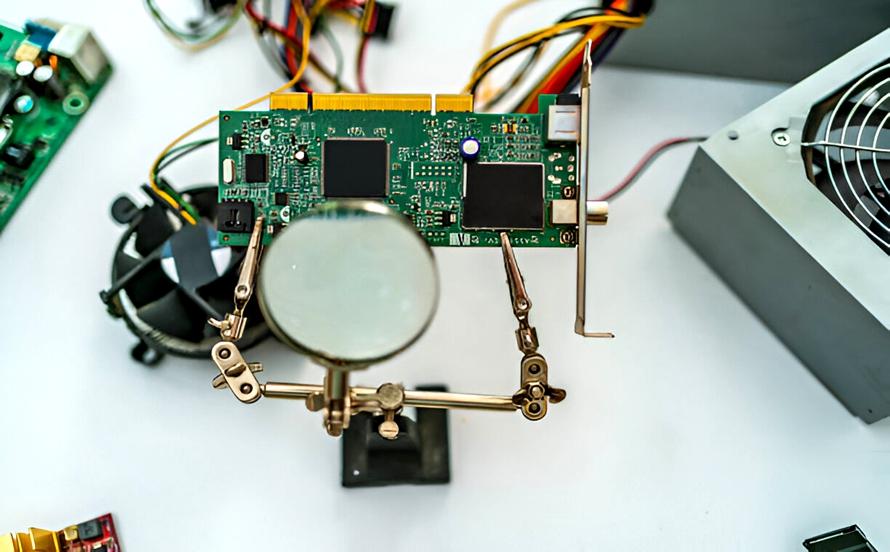
Medical electronics play an essential role in modern healthcare, supporting diagnostic equipment, patient monitoring systems, laboratory instruments, and therapeutic devices. At the center of many of these products are printed circuit board assemblies that control electronic functions, process information, and connect different components within a device. Because medical equipment often operates in demanding environments and supports important clinical activities, the quality and reliability of its electronic assemblies are particularly important.
Medical PCBA involves assembling electronic components onto printed circuit boards designed for healthcare applications. The process requires careful component selection, precise manufacturing techniques, appropriate testing, and effective quality management. Understanding these requirements helps medical device developers and electronics manufacturers build dependable products that meet their technical specifications and intended use.
What Is Medical PCBA?
Medical PCBA refers to the assembly of electronic components onto printed circuit boards used in medical and healthcare equipment. These assemblies may manage sensor signals, process diagnostic data, control motors, regulate power, or support communication between different device components.
Unlike some general-purpose electronic products, medical devices can have specialized requirements for reliability, traceability, electrical safety, and manufacturing documentation. The exact requirements depend on the device's intended purpose, design, risk classification, and operating environment.
For example, a circuit board used in a portable patient monitor may need low power consumption, compact dimensions, and dependable signal processing. An assembly used in laboratory equipment may require stable operation, accurate measurement capabilities, and resistance to environmental variations.
Medical circuit board assemblies can incorporate microcontrollers, integrated circuits, sensors, connectors, power management components, and wireless communication modules. Each component must be suitable for the design and compatible with the product's performance requirements.
Key Stages of Medical PCB Assembly
The manufacturing process typically includes several stages, from design preparation to final testing. Each stage contributes to the consistency and reliability of the finished assembly.
Design Review and Manufacturing Preparation
Before production begins, engineers review the circuit design, bill of materials, assembly drawings, and manufacturing files. This review helps identify potential problems involving component spacing, soldering access, thermal management, and board layout.
Design-for-manufacturing analysis can reveal issues that might otherwise lead to assembly defects or unnecessary rework. Engineers may also assess whether the selected components meet the product's electrical, environmental, and lifecycle requirements.
Clear documentation is particularly important for medical electronics because production must follow approved design specifications and controlled revisions.
Component Sourcing and Verification
Component selection affects the electrical performance, durability, and long-term availability of a medical device. Manufacturers must consider operating temperature, voltage ratings, tolerance, power consumption, and compatibility with the intended application.
Reliable sourcing practices help reduce the risk of counterfeit, damaged, or unsuitable components entering production. Incoming inspection, supplier qualification, and component traceability can support effective material management.
For products with long service lives, component obsolescence also requires attention. Manufacturers and product developers may need to identify alternative components and evaluate proposed substitutions before making changes to an approved design.
Component Placement and Soldering
Surface mount technology is commonly used in medical electronics because it supports compact layouts and automated component placement. Pick-and-place equipment positions components accurately, while reflow soldering forms the required electrical and mechanical connections.
Through-hole components may also be used when the design requires specific mechanical or electrical characteristics. Some assemblies combine both technologies, requiring carefully planned production stages.
Solder paste application, component alignment, and temperature control are important throughout the process. Inadequate solder joints, misplaced components, and thermal damage can compromise circuit functionality.
Inspection and Testing
After assembly, inspection and testing help verify that the board meets its manufacturing and performance requirements. Automated optical inspection can identify visible problems such as missing components, incorrect orientation, and solder bridges.
X-ray inspection may be needed for hidden connections beneath certain integrated circuit packages. Electrical tests can identify shorts and open circuits, while functional tests evaluate whether the assembly performs according to its design.
Testing requirements should be established through a risk-based approach appropriate to the product. Passing a basic electrical test does not, by itself, establish that a complete medical device is safe or compliant.
Quality and Regulatory Considerations
Quality management is a central consideration in medical electronics manufacturing. Depending on the device and applicable regulations, manufacturers may need documented procedures for design changes, production controls, supplier management, inspection, and corrective action.
ISO 13485 is an internationally recognized quality management system standard for organizations involved in medical device design and manufacturing. Its relevance depends on the organization's role and the requirements applicable to the product and market.
Other standards may apply to electrical safety, electromagnetic compatibility, or particular device categories. For example, IEC 60601 standards address the basic safety and essential performance of many types of medical electrical equipment. Applicable requirements should be determined according to the device's classification, design, and intended use.
Traceability is also important. Maintaining records of component lots, production batches, inspection results, and approved design revisions can help manufacturers investigate defects and manage corrective actions.
It is important to distinguish between assembly quality and complete device compliance. A properly assembled circuit board is one part of a broader process that may include system-level verification, risk management, software validation, and regulatory assessment.
Applications of Medical Circuit Board Assemblies
Medical PCB assemblies support a wide range of healthcare technologies.
Patient monitoring equipment: Circuit boards process information from sensors used to monitor parameters such as heart rate, oxygen saturation, and temperature. Reliable signal processing is essential for consistent measurements.
Diagnostic imaging systems: Imaging equipment uses complex electronic assemblies to control sensors, process data, and coordinate system functions. These applications may require advanced processing capabilities and careful thermal management.
Laboratory instruments: Automated analyzers and testing equipment depend on circuit assemblies for measurement, motion control, fluid handling, and data processing.
Portable medical devices: Wearable monitors and handheld diagnostic products often require compact assemblies, efficient power management, and reliable wireless connectivity.
Therapeutic equipment: Certain treatment and rehabilitation devices use electronic assemblies to control motors, regulate output, monitor operating conditions, or manage user interfaces.
Each application has different requirements, so assembly methods and verification procedures should be selected according to the device's intended function.
Challenges in Medical PCBA Manufacturing
Medical electronics manufacturers face several challenges that require careful planning.
Miniaturization can make component placement and inspection more difficult, especially when designs include fine-pitch packages or high-density layouts. Advanced inspection equipment and suitable process controls can help manage these challenges.
Component availability is another concern. Long product lifecycles and discontinued components may require careful sourcing strategies, approved alternatives, and engineering reviews.
Thermal management can also influence reliability. Components generate heat during operation, and excessive temperatures may affect performance or shorten service life. Engineers must consider component placement, copper distribution, board materials, and the product's enclosure.
Finally, documentation and revision control are essential when designs change. Unapproved component substitutions or outdated production files can introduce inconsistencies and create compliance risks.
How to Select a Medical PCB Assembly Manufacturer
When evaluating a manufacturing partner, businesses should assess technical capability, quality systems, and experience with the relevant device requirements.
Review the manufacturer's SMT capabilities, inspection equipment, electrical testing options, and component sourcing procedures. Ask how production records are maintained and how defects, nonconforming materials, and engineering changes are managed.
It is also useful to assess the provider's ability to support prototypes, pilot builds, and future production volumes. Early engineering collaboration can help identify design concerns before they affect manufacturing costs or delivery schedules.
Certifications should be verified, and their scope should be checked against the services being provided. A manufacturer's certification alone does not automatically establish that every assembled board or finished medical device meets all applicable regulatory requirements.
Conclusion
Medical PCBA is an important part of developing reliable electronic equipment for healthcare applications. Effective design review, component verification, controlled assembly, appropriate testing, and documented quality management help reduce manufacturing risks and support consistent performance. Businesses should select manufacturing partners based on their technical capabilities, quality procedures, traceability practices, and understanding of the product's intended requirements. Working with an experienced provider of Medical PCBA Services can help medical device developers establish a dependable manufacturing process and support the production of electronic assemblies suited to their application and quality expectations.
